.png)
Diabetes and Oral Health: Why Caring for Your Smile Is Essential
Diabetes and Oral Health: Why Caring for Your Smile Is Essential
By Dr. Naira Ahmed, General Dentist
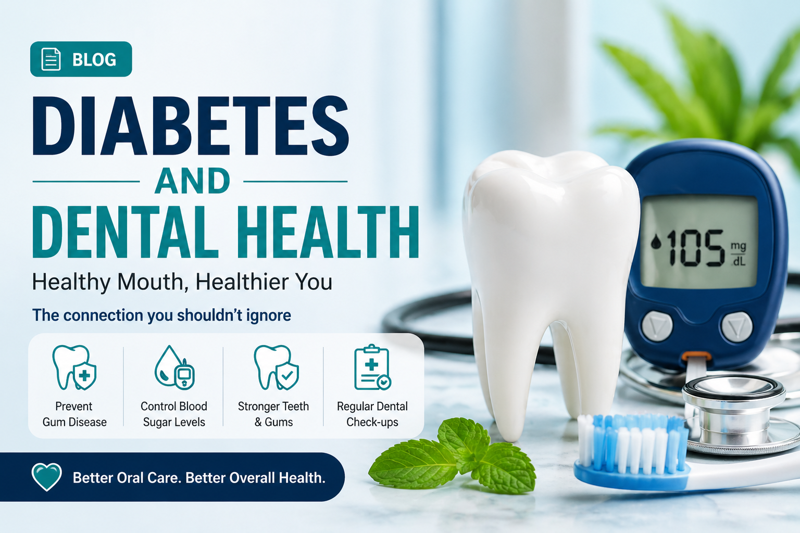
Diabetes affects millions of people worldwide, but many are unaware that it can also have a significant impact on oral health. The relationship between diabetes and dental health is two-way—poorly controlled diabetes can increase the risk of dental problems, while untreated oral infections can make it more difficult to manage blood sugar levels.
Understanding this connection is the first step toward protecting both your smile and your overall health.
How Does Diabetes Affect Your Oral Health?
When blood sugar levels remain high, the body's ability to fight harmful bacteria decreases. As a result, the mouth becomes more vulnerable to infections, inflammation, and delayed healing. Elevated glucose levels in saliva also encourage bacterial growth, increasing the risk of several dental conditions.
Gum Disease
One of the most common oral health complications associated with diabetes is gum disease (periodontal disease). Early symptoms include:
- Red, swollen gums
- Bleeding while brushing or flossing
- Persistent bad breath
- Gum tenderness
If left untreated, gum disease can progress, causing the gums to pull away from the teeth, bone loss, loose teeth, and eventually tooth loss.
Increased Risk of Tooth Decay
High sugar levels create an ideal environment for harmful bacteria. These bacteria produce acids that attack tooth enamel, increasing the likelihood of cavities. Maintaining good blood sugar control helps reduce this risk and supports a healthier mouth.
Dry Mouth and Its Effects
Many individuals living with diabetes experience dry mouth (xerostomia) due to reduced saliva production. Saliva plays an essential role in protecting teeth by washing away food particles and neutralizing harmful acids.
A lack of saliva can lead to:
- Persistent bad breath
- Difficulty chewing or swallowing
- Mouth sores
- Increased tooth decay
- Higher risk of oral infections
Staying hydrated and seeking professional advice can help manage dry mouth effectively.
Slow Healing After Dental Treatment
People with uncontrolled diabetes often experience slower healing after dental procedures such as tooth extractions or gum treatments. Proper blood sugar management before and after treatment supports faster healing and reduces the risk of complications.
Protecting Your Smile
Good oral hygiene is especially important for people with diabetes. Simple daily habits can make a significant difference:
- Brush your teeth twice a day using fluoride toothpaste.
- Floss daily to remove plaque between teeth.
- Maintain healthy blood sugar levels.
- Drink plenty of water to reduce dry mouth.
- Limit sugary foods and beverages.
- Visit your dentist every six months for professional cleaning and oral examinations.
Why Regular Dental Checkups Matter
Routine dental visits allow dentists to detect oral problems before they become serious. In some cases, recurring gum infections or slow healing may even be early indicators of undiagnosed diabetes.
Early diagnosis and timely treatment help protect both your oral health and your overall well-being.
A Healthy Smile Starts with Good Health
Your mouth is an important part of your overall health. By managing diabetes effectively and following a consistent oral care routine, you can significantly reduce your risk of gum disease, cavities, and other dental complications.
If you have diabetes or are experiencing symptoms such as bleeding gums, persistent bad breath, or dry mouth, schedule a dental check-up. Early care can help preserve your smile and improve your quality of life.
Dr. Naira Ahmed
General Dentist
City Clinic, Kuwait
.png)